
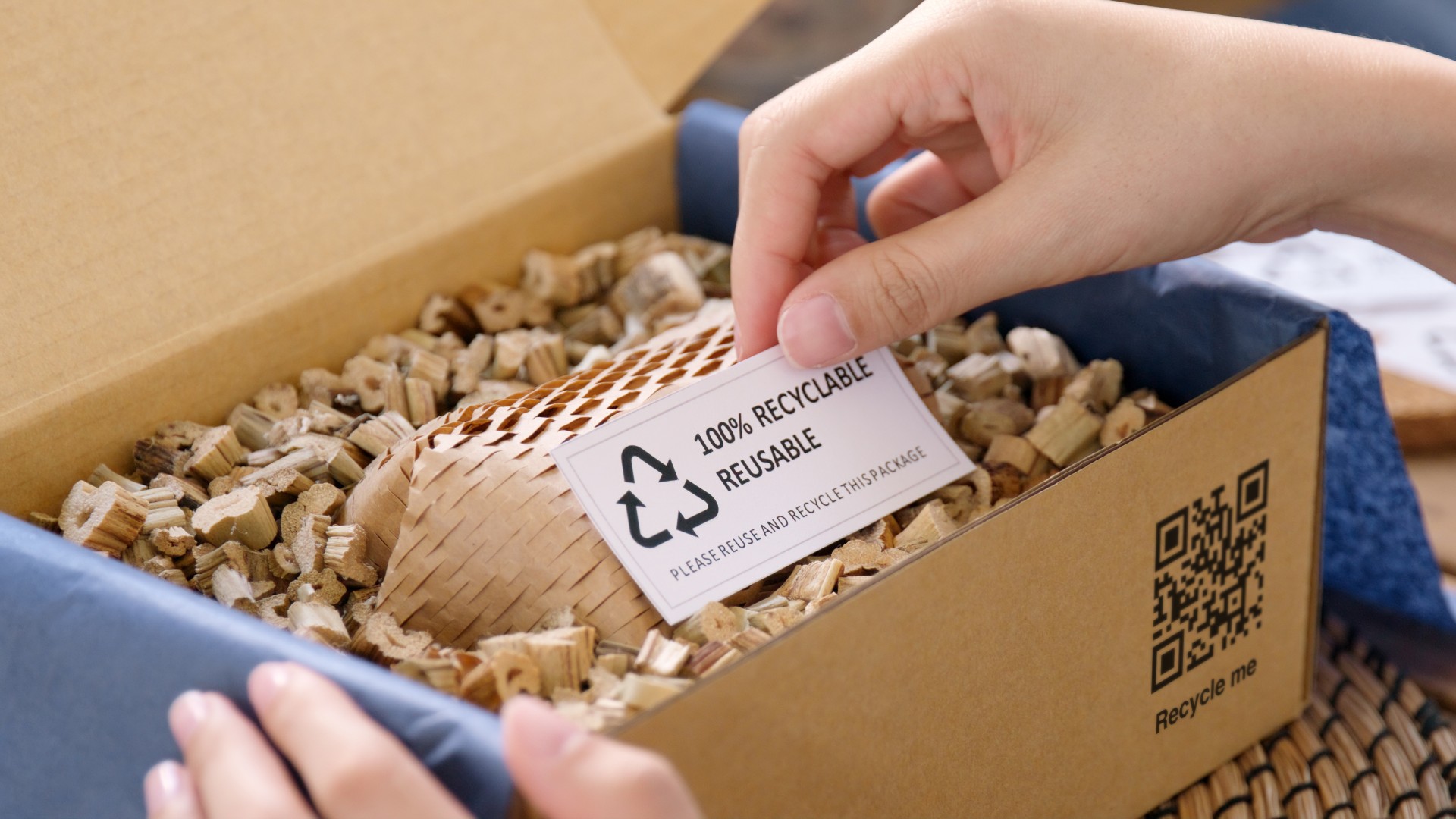
In today’s competitive retail landscape, packaging is far more than just a container for a product. It is a silent salesman, a brand ambassador and a critical element in influencing purchasing decisions. The way a product is packaged can evoke emotions, create perceptions of value and ultimately determine whether a consumer picks it up or passes it by.
The psychology of packaging design
Consumers often make snap judgments about a product within seconds of seeing it and packaging plays a significant role in this decision-making process. Elements such as colour, typography, shape and material can all influence how a product is perceived.
- Colour psychology – colours evoke emotions and associations. For example, green is often linked to sustainability and health, while black conveys luxury and exclusivity. Red can create a sense of urgency, making it a popular choice for promotional packaging.
- Typography and branding – fonts and logo placement can communicate a brand’s personality. A bold, modern font might suggest innovation, whereas a more traditional serif font conveys heritage and trust.
- Material and texture – the physical feel of packaging also influences consumer perception. Matte finishes and embossed details can signal premium quality, while recyclable or biodegradable materials resonate with environmentally conscious consumers.
Packaging as a marketing tool
Effective packaging is an essential marketing tool that extends beyond the shelf. With the rise of e-commerce and social media, packaging now plays a role in brand storytelling and consumer engagement.
- Shelf impact – in-store, products compete for attention. Distinctive, well-designed packaging can catch a shopper’s eye and make a lasting impression.
- Unboxing experience – the growing trend of ‘unboxing’ videos on social media highlights how packaging contributes to the overall consumer experience. Thoughtfully designed packaging can create excitement and encourage customers to share their experiences online.
- Sustainability and ethics – consumers are increasingly drawn to brands that prioritise sustainable packaging. Innovations such as minimal packaging, compostable materials and inkless printing technologies, like those offered by DataLase, are helping brands reduce their environmental footprint while enhancing appeal to eco-conscious buyers.
Building brand loyalty through packaging
Consistent, high-quality packaging reinforces brand identity and builds consumer trust. Brands that frequently change their packaging without clear reasoning risk alienating their loyal customers. Tropicana, for example, faced backlash when it redesigned its familiar orange juice cartons, resulting in consumer confusion and a sales decline.
Conversely, brands that maintain a recognisable packaging design – while making gradual improvements for sustainability and usability – strengthen customer loyalty and enhance brand recall.
The future of packaging
As consumer preferences evolve, brands must continuously adapt their packaging strategies. Personalisation, smart packaging with QR codes and interactive elements are shaping the next generation of packaging solutions. Additionally, sustainable packaging solutions, such as those championed by DataLase’s inkless printing technology, are setting new standards in the industry.
Conclusion
The power of packaging should never be underestimated. It is a fundamental aspect of the consumer journey, influencing perceptions, driving sales and fostering brand loyalty. By prioritising thoughtful design, sustainability and innovation, brands can create packaging that not only stands out on the shelf but also resonates deeply with consumers, ensuring long-term success in a highly competitive market.