

How Inkless Coding Supports the Next Generation of Smart Packaging
Packaging is becoming more intelligent. What was once primarily a means of protecting and presenting a product is increasingly becoming a connected interface between brands, consumers, supply chains and digital systems.
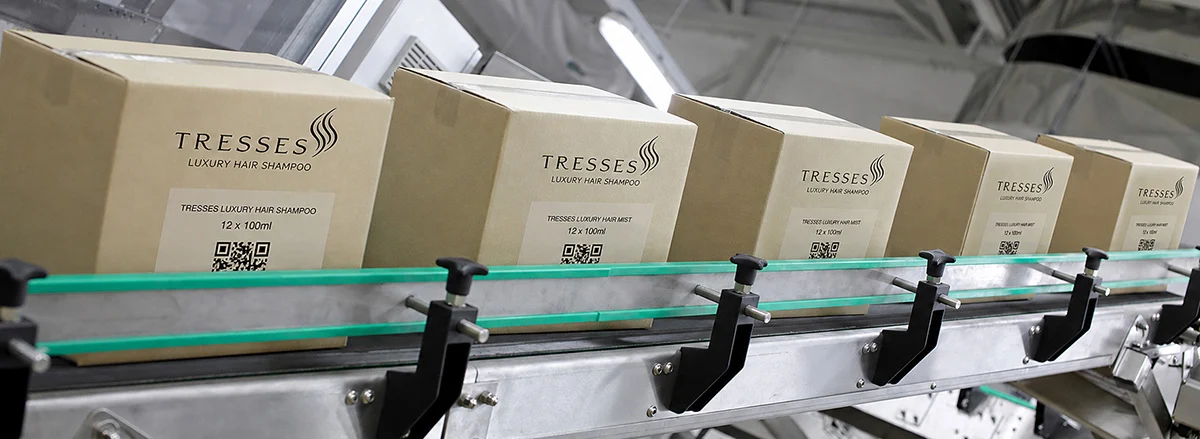
QR codes, serialised identifiers and other forms of variable data are helping drive this change, giving individual packs their own digital identity. From traceability and authentication to consumer engagement and Digital Product Passports (DPPs), the possibilities are growing rapidly. But smarter packaging also places new demands on the technologies used to code and mark it.
From static information to unique identities
Traditional packaging typically carries largely static information alongside variable details such as batch numbers and expiry dates. Smart packaging takes this much further.
A unique QR code can connect an individual product to information held digitally, creating opportunities throughout its lifecycle. Manufacturers can improve traceability, brands can provide richer product information, products can be authenticated and consumers can access recycling or disposal guidance simply by scanning the pack.
Regulatory developments are adding further momentum. Initiatives such as the EU’s Digital Product Passport are moving industry towards a future in which considerably more information about products, materials and supply chains can be accessed digitally. The physical package effectively becomes the gateway to that information.
The coding challenge
Producing millions of identical codes is one thing. Producing millions of codes that may each be different presents a very different challenge. Coding systems need to handle variable information at production speed while maintaining the contrast, definition and consistency required for reliable machine readability.
This is particularly important for QR codes. If the quality of the physical code is compromised, the connection to the digital information behind it can also be lost.
Manufacturers must achieve this while dealing with multiple substrates, increasing numbers of SKUs and pressure to improve production efficiency and reduce waste. Smart packaging therefore needs coding technology capable of keeping pace with both the data and the production environment.
Where inkless coding fits
Inkless coding offers a different approach to applying variable information. Rather than depositing ink onto the packaging, laser-reactive technology uses a controlled reaction within a coating or material to create the required image when exposed to a laser.
Because the information is digitally generated, content can change from one pack to the next. Text, batch information, serial numbers and machine-readable codes can all be created without relying on conventional inks at the point of coding.
This combination of digital flexibility and production efficiency makes the technology particularly relevant to smart packaging. It also supports greater manufacturing agility. Information can be generated later in the production process, potentially allowing manufacturers to use more generic packaging and differentiate it closer to the point of production. For businesses managing multiple SKUs, markets and shorter production runs, this can help simplify packaging inventories and improve responsiveness.
Smarter packaging without more consumables
There is also an important sustainability consideration. The move towards connected packaging should not necessarily mean adding more inks, labels or consumable materials to every product.
Inkless coding can reduce reliance on conventional printing inks at the coding stage and, depending on the application, remove the need for additional labels and backing material used purely to carry variable information. Alongside the environmental benefits, fewer consumables can mean less storage, handling, replenishment and associated production downtime.
Ready for a more connected future
Smart packaging will rely on an ecosystem of technologies, from data platforms and standards to packaging materials and coding systems. For it to work effectively, the physical and digital elements need to work together. As the amount of variable information associated with individual products increases, coding will become an increasingly important part of that infrastructure.
DataLase technology enables high-resolution, laser-activated coding directly onto a range of packaging materials and coatings, providing manufacturers and converters with an inkless approach to generating variable information at production speed.
The next generation of packaging will need to do much more than protect the product inside. It will need to identify, inform, connect and communicate. Inkless coding can help provide the link between the physical pack and that increasingly connected digital world.
Discover how DataLase can help make your packaging ready for a smarter, more connected future.