

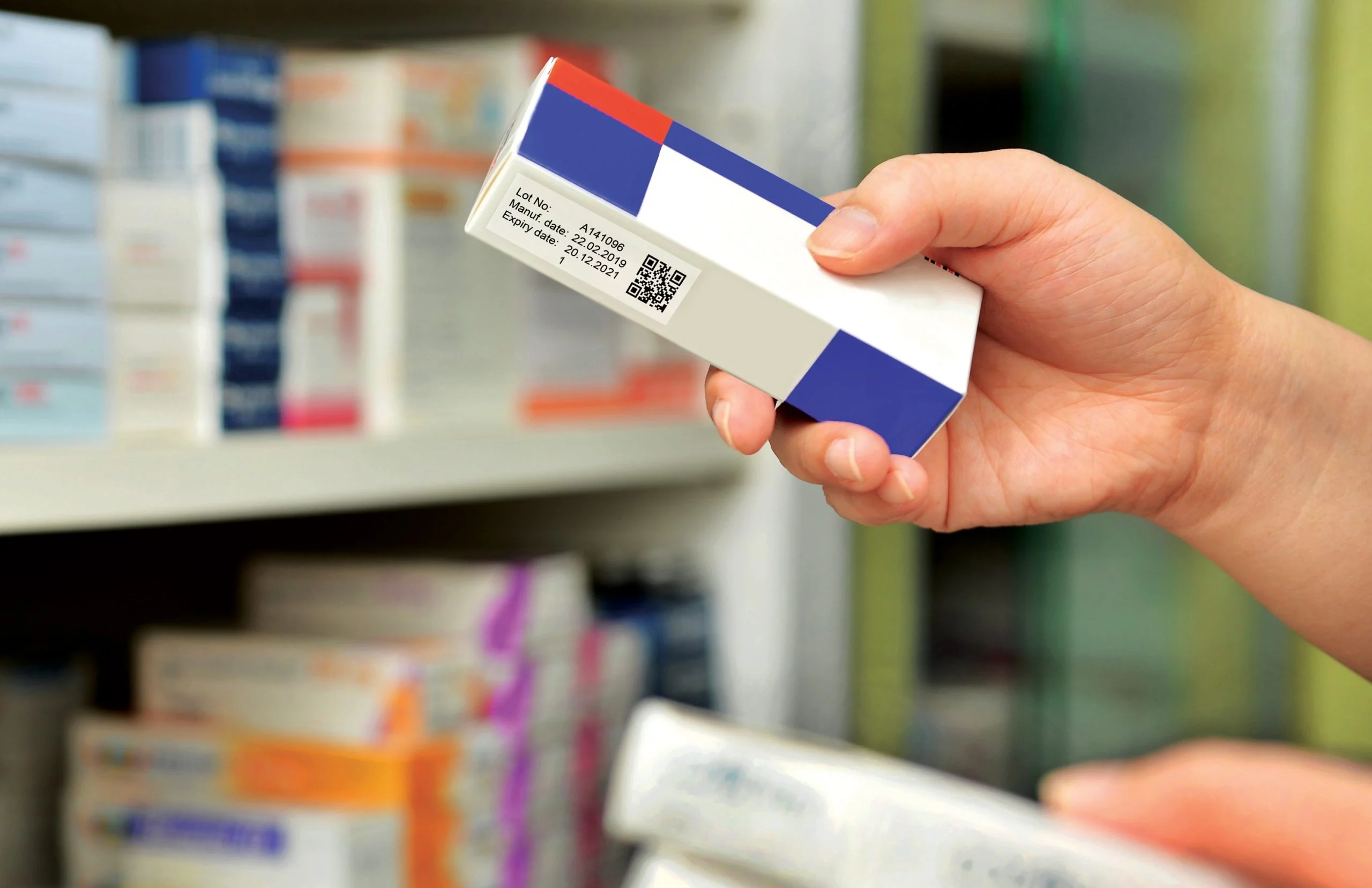
Late-stage customisation and full product traceability with DataLase technology
In today’s fast-paced market, the demand for real-time, dynamic product information is higher than ever. DataLase offers innovative solutions to meet this demand, providing late-stage customisation capabilities that ensure full product traceability. This technology aligns seamlessly with the principles of the Digital Product Passport (DPP), a concept increasingly gaining traction in Europe for promoting transparency and sustainability throughout a product’s lifecycle.
The importance of full product traceability
The DPP is set to revolutionise the way products are tracked and managed across their lifecycle. It aims to create a “digital twin” for every product, documenting everything from material sourcing to end-of-life recycling. This transformation is driven by the need for greater transparency, which is crucial for the transition to a circular economy. The DPP will store comprehensive data on product origins, ownership and sustainability metrics, allowing stakeholders to make informed decisions and encouraging sustainable practices.
How DataLase enables late-stage customisation
DataLase’s technology offers significant advantages in this context. Their laser-reactive substrates allow for on-demand printing of product information directly onto packaging and products themselves. This method supports late-stage customisation, where unique data can be added just before shipping. This flexibility is vital for industries with complex supply chains and variable consumer demands.
Benefits of late-stage customisation with DataLase
- Improved accuracy and relevance– By customising products at the final stage, companies can ensure that the most accurate and relevant information is included. This reduces the risk of outdated or incorrect data being presented to consumers and other stakeholders.
- Enhanced consumer engagement– With the ability to add personalised information, such as specific case studies or tailored marketing messages, brands can enhance consumer engagement and loyalty.
- Sustainability and compliance– As regulatory requirements evolve, including those approved by the DPP, the ability to update product information at the last minute ensures ongoing compliance without the need for extensive reprinting or wastage.
The role of QR codes
QR codes are a pivotal component of this technology, enabling quick access to detailed product information. DataLase’s technology can print QR codes directly onto products and packaging, linking to dynamic digital content. This ensures that consumers and stakeholders can access up-to-date information about the product’s origins, ingredients, safety instructions and recycling options simply by scanning the code with a smartphone. This not only enhances transparency but also promotes interactive consumer experiences and more efficient supply chain management.
Real-world applications
Various industries can benefit from DataLase’s technology. For instance:
- Food and beverage – Updating expiry dates, batch numbers, and traceability information to ensure safety and compliance.
- Pet food -Updating nutritional information, expiry dates and batch numbers to ensure pet food safety and compliance.
- Pharmaceuticals – Adding patient-specific information or tracking data to support personalised medicine.
- Electronics – Providing detailed assembly and recycling instructions to aid in proper disposal and recycling efforts.
Conclusion
As businesses prepare for the implementation of the DPP, DataLase’s late-stage customisation technology offers a powerful tool to ensure full product traceability.
By integrating this innovative solution, companies cannot only comply with upcoming regulations but also drive sustainability and enhance consumer trust.